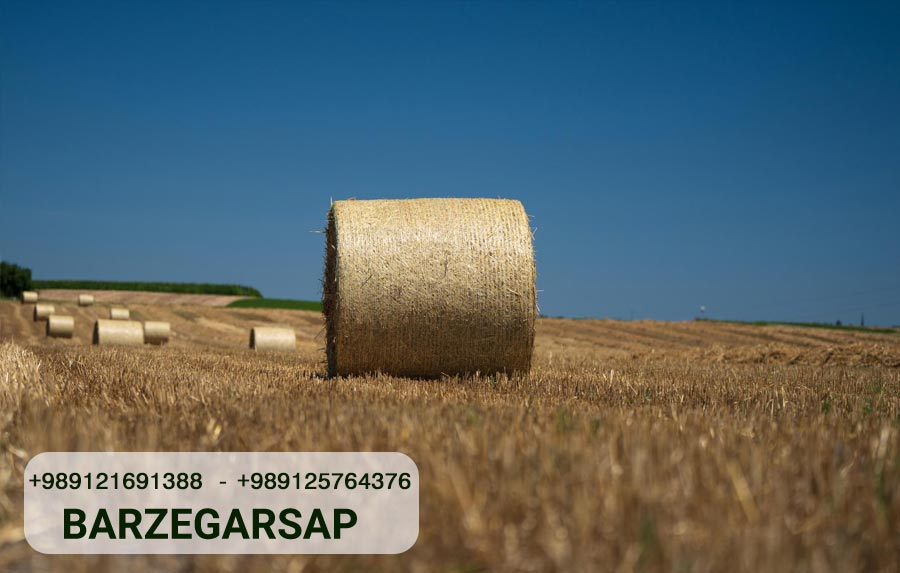
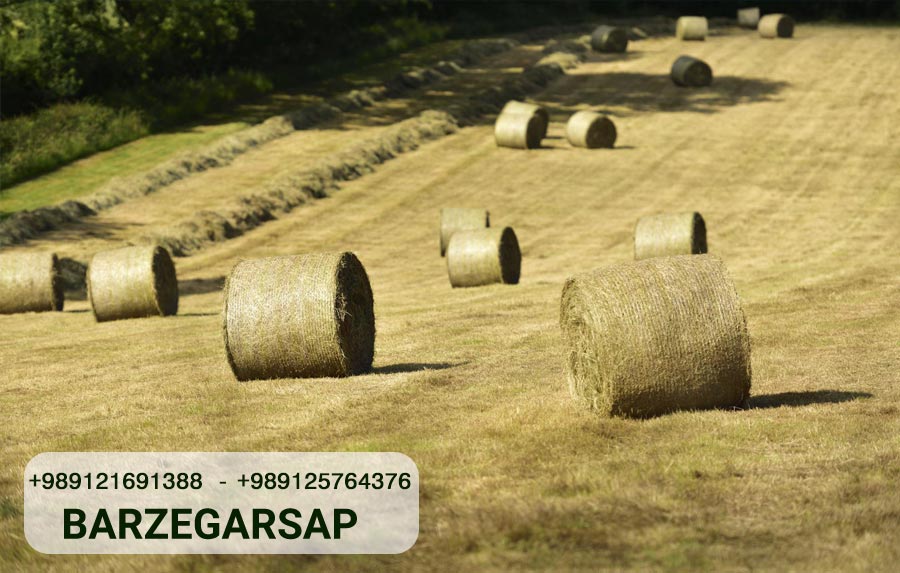
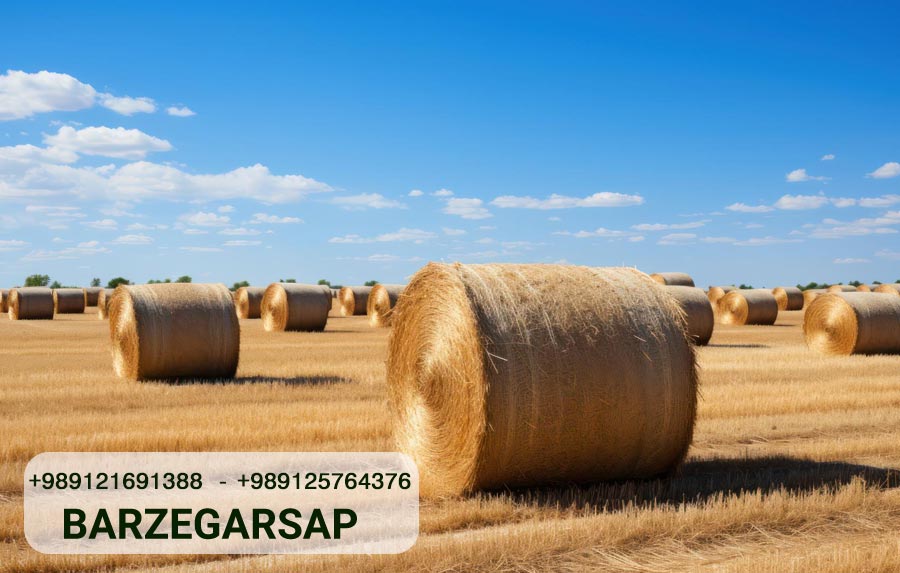
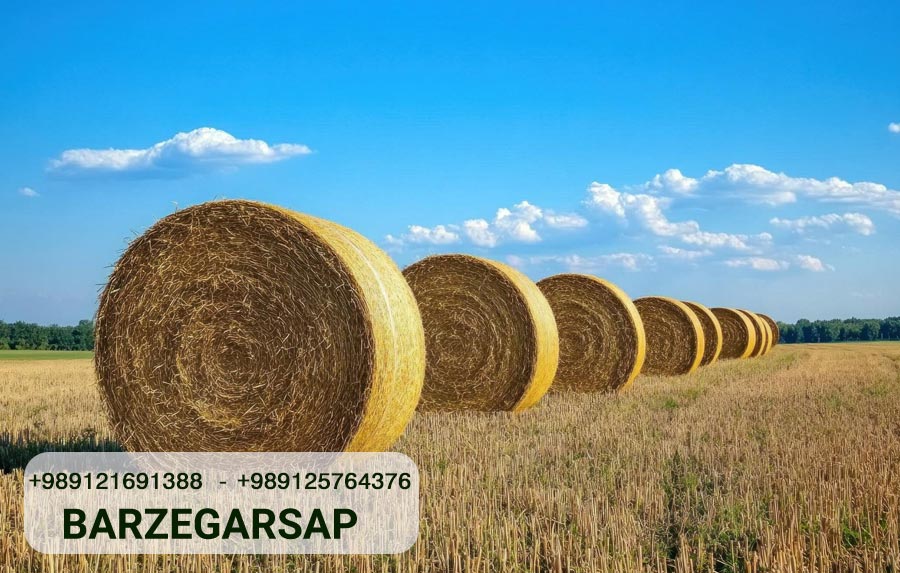
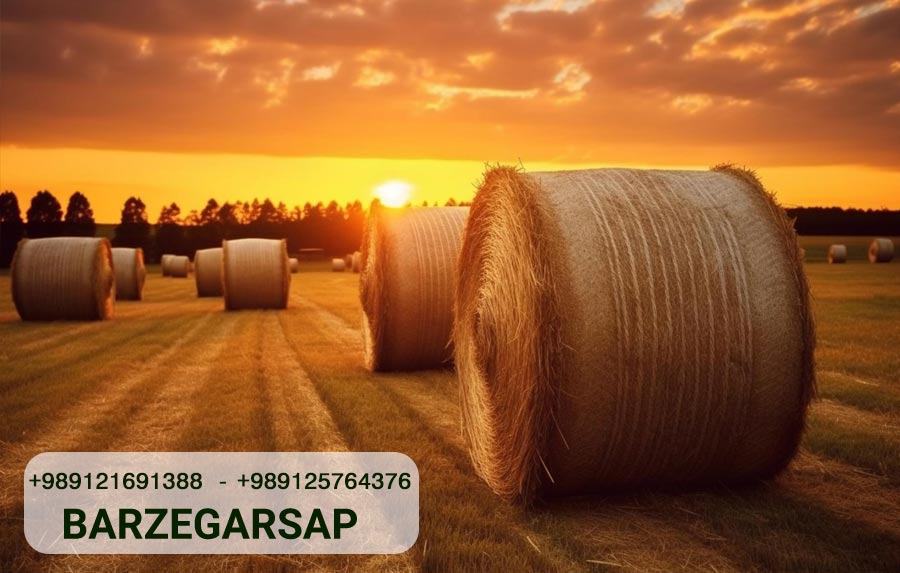
In the age of environmental awareness, more farmers are seeking sustainable solutions in agriculture. Baler twine plays a key role in this by helping to reduce waste and improve efficiency on farms.
Sustainable Baling Practices
- Use of Biodegradable Twine: Sisal baler twine, made from natural fibers, is biodegradable and offers an eco-friendly alternative to synthetic twine. It reduces the amount of plastic waste left in fields, making it a sustainable choice for environmentally-conscious farmers.
- Efficient Resource Use: Baler twine ensures that materials like hay and straw are packed tightly and stored efficiently, reducing the amount of space needed for storage and minimizing losses due to spoilage or weather damage.
- Recycling and Waste Reduction: Baling operations using baler twine help manage agricultural waste, compacting materials that would otherwise take up excessive space or create environmental hazards.
Why Choose Sustainable Baler Twine
Switching to biodegradable options like sisal twine not only benefits the environment but also helps farmers meet the increasing demand for sustainable agricultural practices. These practices contribute to long-term soil health, reducing the impact of farming on ecosystems.
And the last article:
The Current State of Agriculture Worldwide: Trends, Statistics, and Future Outlook
Agriculture is the backbone of the global economy, supporting billions of people by providing food, raw materials, and employment. Despite advancements in technology and farming techniques, the agricultural sector faces numerous challenges, including climate change, resource depletion, and population growth. This article provides a comprehensive overview of global agriculture, examining key trends, new statistics, and a look at the future of farming.
Global Agricultural Overview
Agriculture plays a critical role in supporting the world’s population, which reached 8 billion in 2022. The global agricultural sector provides the food, fiber, and materials necessary for human survival and economic growth. In 2023, agriculture accounted for approximately 4% of the global gross domestic product (GDP) and employed over 27% of the global workforce.
Key Agricultural Products
Here’s a breakdown of some of the most significant agricultural products by volume in 2023:
| Product | Global Production (Million Metric Tons) | Top Producers |
| Maize (Corn) | 1,207 | USA, China, Brazil |
| Wheat | 778 | China, India, Russia |
| Rice (Paddy) | 517 | China, India, Indonesia |
| Soybeans | 370 | USA, Brazil, Argentina |
| Sugarcane | 1,900 | Brazil, India, Thailand |
| Potatoes | 370 | China, India, Russia |
As seen above, maize remains the world’s largest agricultural product by volume, with significant contributions from countries like the United States, China, and Brazil. Rice and wheat also rank high, feeding more than half of the world’s population, especially in Asia and Africa.
Top Agricultural Producing Countries
The following table highlights the top 10 agricultural-producing countries globally by agricultural output value:
| Country | Agricultural Output Value (Billion USD) | Percentage of Global Output (%) |
| China | 1,630 | 22 |
| India | 417 | 12 |
| USA | 411 | 11 |
| Brazil | 155 | 5 |
| Indonesia | 134 | 4 |
| Russia | 112 | 3 |
| Japan | 85 | 2 |
| Mexico | 83 | 2 |
| Nigeria | 77 | 2 |
| France | 72 | 2 |
China and India dominate global agricultural production, largely due to their large populations and arable land availability. The United States remains a top global exporter of key crops such as corn and soybeans. In contrast, Brazil stands out as a powerhouse in coffee, soybeans, and beef production.
Agriculture’s Contribution to Global Food Security
In 2023, global food production was sufficient to feed the world’s population, but due to distribution challenges, approximately 820 million people still faced hunger. The Food and Agriculture Organization (FAO) estimates that food production will need to increase by 70% by 2050 to meet the projected population growth, which is expected to reach 9.7 billion by 2050.
Global Hunger Statistics
- 820 million people are undernourished globally.
- Asia accounts for the highest number of hungry people (~420 million), followed by Africa with 282 million.
- In Sub-Saharan Africa, about 25% of the population is undernourished.
Technological Advancements in Agriculture
Technological advancements are revolutionizing agriculture, helping farmers boost productivity while using resources more efficiently. The following innovations have been gaining significant traction in recent years:
- Precision Agriculture
Precision agriculture uses data analytics, GPS technology, and satellite imagery to optimize field-level management of crops. By understanding soil conditions, moisture levels, and crop health more precisely, farmers can apply inputs like water, fertilizer, and pesticides more accurately, reducing waste and costs.
- Precision agriculture market size: Expected to grow from $7.8 billion in 2022 to $15.6 billion by 2028.
- Yield increases: Farms that use precision agriculture have seen yield increases of 5-10% and input cost reductions of 10-20%.
- Smart Irrigation Systems
Smart irrigation technologies help farmers manage water usage by using sensors to monitor soil moisture and weather conditions. These systems ensure that water is applied only when necessary, conserving water and enhancing crop yields.
- Global smart irrigation market: Valued at $1.5 billion in 2023, expected to grow at 14.8% CAGR through 2028.
- Water savings: Can reduce water usage by 20-30% compared to traditional irrigation methods.
- Drones and Robotics
Drones and robotics are increasingly being used for monitoring crops, spraying pesticides, and planting seeds. These technologies can cover large areas quickly, saving time and labor costs.
- Adoption rate: Approximately 15% of large farms in North America and Europe now use drones for crop monitoring.
- Labor reduction: Robotics in harvesting can reduce labor costs by up to 40%.
Environmental Challenges Facing Agriculture
Agriculture is one of the most resource-intensive sectors globally, responsible for 70% of freshwater use and about 30% of greenhouse gas emissions. As the global population grows, balancing increased food production with environmental sustainability is a pressing concern.
- Climate Change
Climate change is causing more frequent and severe weather events, including droughts, floods, and temperature extremes. These changes are negatively affecting crop yields, especially in regions dependent on rain-fed agriculture like Africa and South Asia.
- Crop losses: Extreme weather events in 2022 caused over $20 billion in crop losses globally.
- Drought impact: The 2023 drought in East Africa reduced food production by 50%, putting over 30 million people at risk of famine.
- Water Scarcity
As agriculture accounts for the largest share of global freshwater usage, the demand for water-efficient technologies is increasing.
- Water-stressed regions: Over 25% of global agriculture occurs in water-scarce regions, notably in the Middle East, North Africa, and parts of South Asia.
- Smart irrigation impact: Efficient irrigation techniques could save up to 500 billion cubic meters of water annually.
- Soil Degradation
Soil degradation caused by over-farming, deforestation, and the use of chemical inputs is reducing the arable land available for agriculture.
- Degraded land: Approximately 33% of global arable land is classified as moderately or severely degraded.
- Yield reduction: Soil degradation is leading to yield reductions of up to 12% in some areas, especially in Sub-Saharan Africa and South America.
Sustainable Agriculture Practices
To combat environmental challenges, sustainable agriculture practices are gaining traction worldwide. These practices aim to minimize environmental impact while maximizing efficiency and productivity.
- Organic Farming
Organic farming avoids the use of synthetic pesticides and fertilizers, focusing on crop rotation, composting, and biological pest control. Organic farming practices help maintain soil health and biodiversity.
- Global organic farmland: Grew to over 76 million hectares in 2023, representing 1.6% of global farmland.
- Market value: The global organic food market reached $240 billion in 2023 and is expected to grow by 12.5% CAGR by 2030.
- Regenerative Agriculture
Regenerative agriculture focuses on restoring soil health through practices like reduced tillage, cover cropping, and crop diversification. It aims to sequester carbon in the soil, reduce erosion, and improve biodiversity.
- Carbon sequestration potential: Regenerative practices could sequester up to 20 gigatons of CO2 by 2050, helping mitigate climate change.
- Agroforestry
Agroforestry integrates trees and shrubs into croplands to enhance biodiversity, improve soil health, and protect crops from wind and erosion. This practice is increasingly seen as a way to combat desertification in arid regions.
- Global adoption: Agroforestry practices now cover over 1 billion hectares of farmland globally.
The Future of Global Agriculture
The future of global agriculture will depend heavily on technological innovation, sustainability, and adapting to a rapidly changing climate. Advances in biotechnology, digital farming tools, and data-driven decision-making will play a critical role in addressing food security and environmental challenges.
Projected Growth Areas
- Vertical farming: Expected to reach $21 billion by 2030, vertical farming could revolutionize urban food production by using less land and water.
- Lab-grown meat: The market for lab-grown meat is projected to grow by 25% annually as it becomes a sustainable alternative to traditional livestock farming.
- Climate-resilient crops: Genetically modified crops designed to withstand extreme weather conditions could become essential in ensuring global food security in the face of climate change.
Global Agriculture in Numbers
- Global arable land: Currently 1.5 billion hectares, expected to shrink by 5-10% by 2050 due to urbanization and environmental degradation.
- Agricultural demand increase: Global food demand is projected to increase by 60% by 2050 due to population growth and changing diets in developing countries.
- Yield improvement: Crop yields need to increase by 1.5% annually to meet future food demands without expanding farmland.
Conclusion
Agriculture is at the heart of global food security, economic development, and environmental sustainability. As the world grapples with climate change, resource scarcity, and a growing population, the agricultural sector must adapt rapidly. Through innovation, sustainability, and global collaboration, agriculture can continue to feed the world while preserving the planet for future generations.