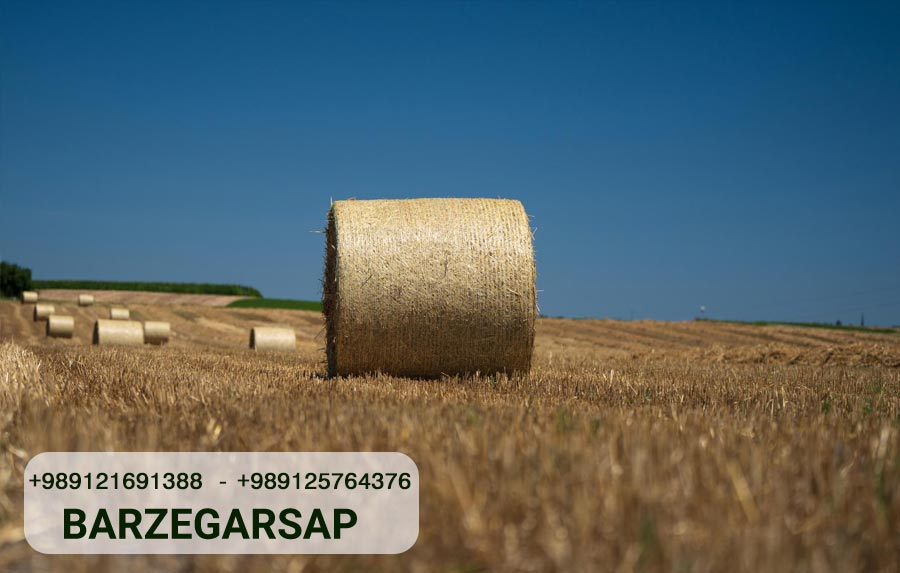
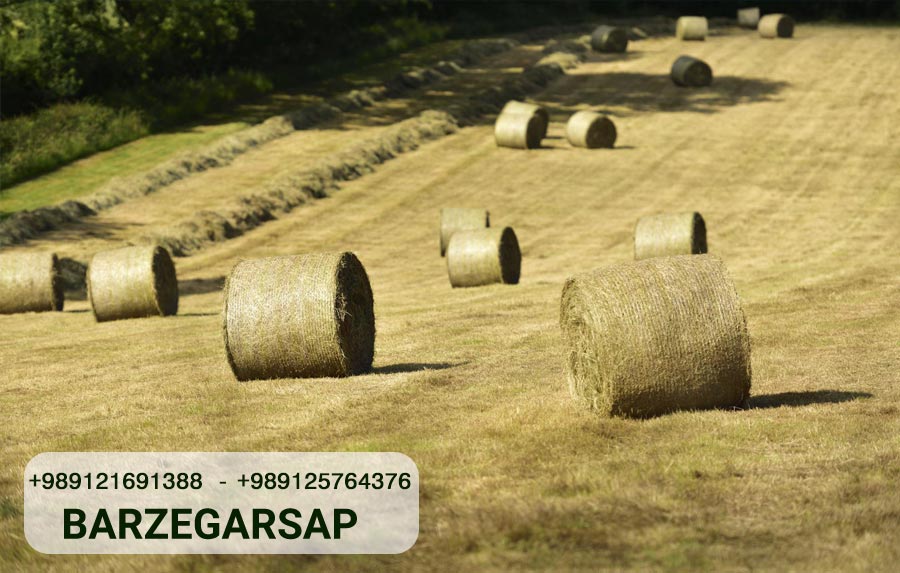
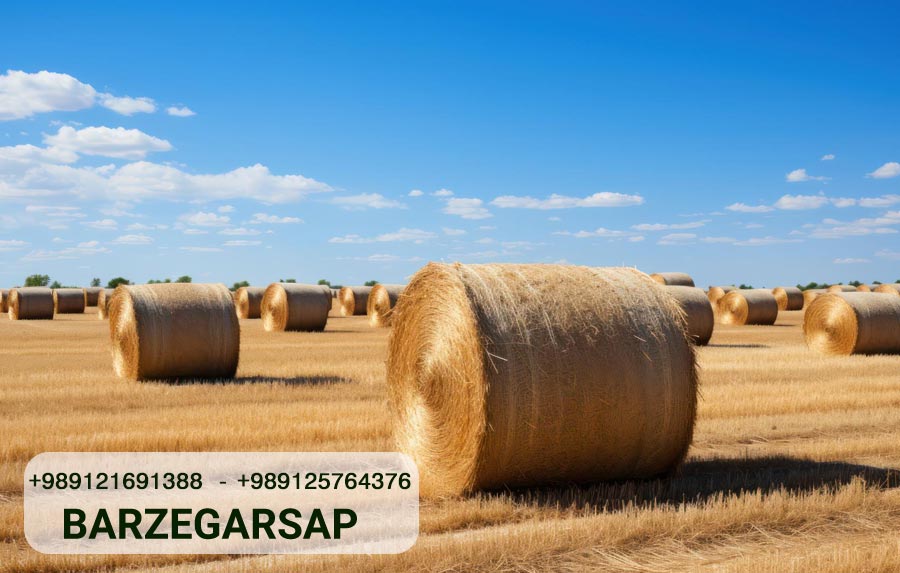
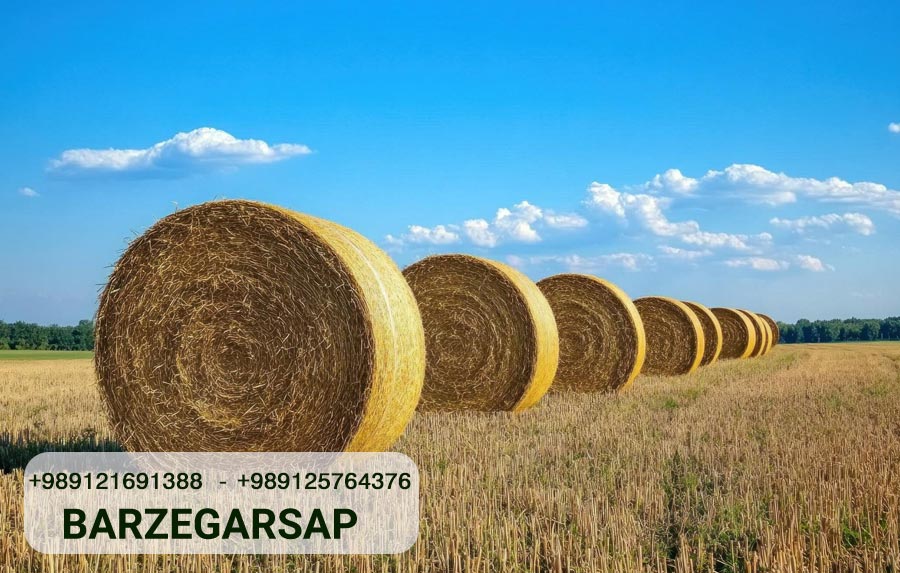
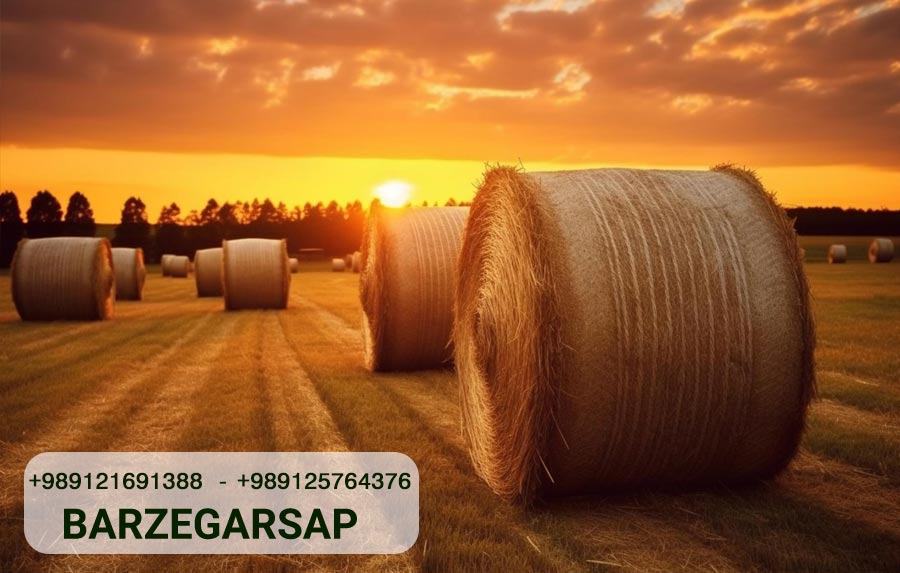
Baler string plays a crucial role in modern agriculture, helping farmers secure and compress hay, straw, and other crop residues. Used in conjunction with baler machines, this strong and durable string ensures that materials are packed tightly, making them easier to handle, transport, and store.
Types of Baler String
There are two main types of baler string:
- Polypropylene baler string: Made from synthetic materials, this type is highly resistant to moisture and UV light. Its strength makes it ideal for use in areas with extreme weather conditions or for handling heavier loads like hay, straw, and silage.
- Sisal baler string: This natural fiber twine is an eco-friendly option, often preferred by farmers who seek sustainability. While it’s biodegradable, it doesn’t offer the same level of moisture resistance or tensile strength as polypropylene baler string.
Uses of Baler String
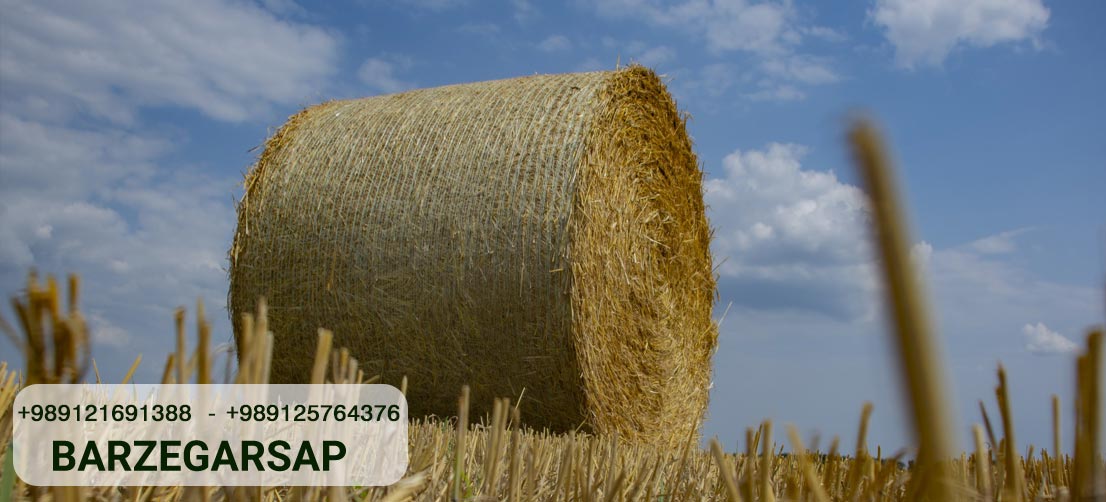
- Hay and Straw Baling: Baler string is primarily used to bind compacted hay, straw, and other materials into solid bales.
- Securing Agricultural Waste: Beyond hay and straw, baler string can be used to secure other loose or waste materials, such as corn stalks or crop debris.
- Recycling and General Use: Outside of agriculture, baler string is sometimes used in industrial recycling operations to tie up compacted cardboard or other recyclables.
Choosing the Right Baler String
The choice of baler string depends on several factors:
- Material: Choose based on whether you need moisture resistance (polypropylene) or prefer a biodegradable option (sisal).
- Tensile Strength: Different crops require different levels of strength. Ensure the baler string matches your specific crop and baler machine.
- Weather Conditions: For high-moisture environments, polypropylene is a better option due to its water resistance.